Confirmed missile and drone attacks on multiple commercial vessels in the Gulf of Oman, Musandam approaches, and UAE coastal waters have elevated the regional maritime security posture from Severe to CRITICAL.
According to the Joint Maritime Information Center (JMIC) update on 2 March, while no formal legal closure of the Strait of Hormuz (SoH) has been declared, the operational environment reflects active kinetic hazard conditions.
Meanwhile, a commander in Iran’s Revolutionary Guard Corps (IRGC) has stated that the Strait of Hormuz is closed and warned that any vessel attempting to pass will be attacked, according to Iranian state media. Although no official closure has been confirmed via NAVAREA or IMO channels, multiple reports indicate that Iranian forces are issuing VHF hails claiming the waterway is restricted.
JMIC has found no clear operational or political association making non-US or Israeli vessels likely targets. These incidents highlight continued stand-off missile and drone threats in Gulf of Oman waters and the Strait of Hormuz and approaches. There is no confirmed sea mine deployment or detonation at this time.
Latest coverage
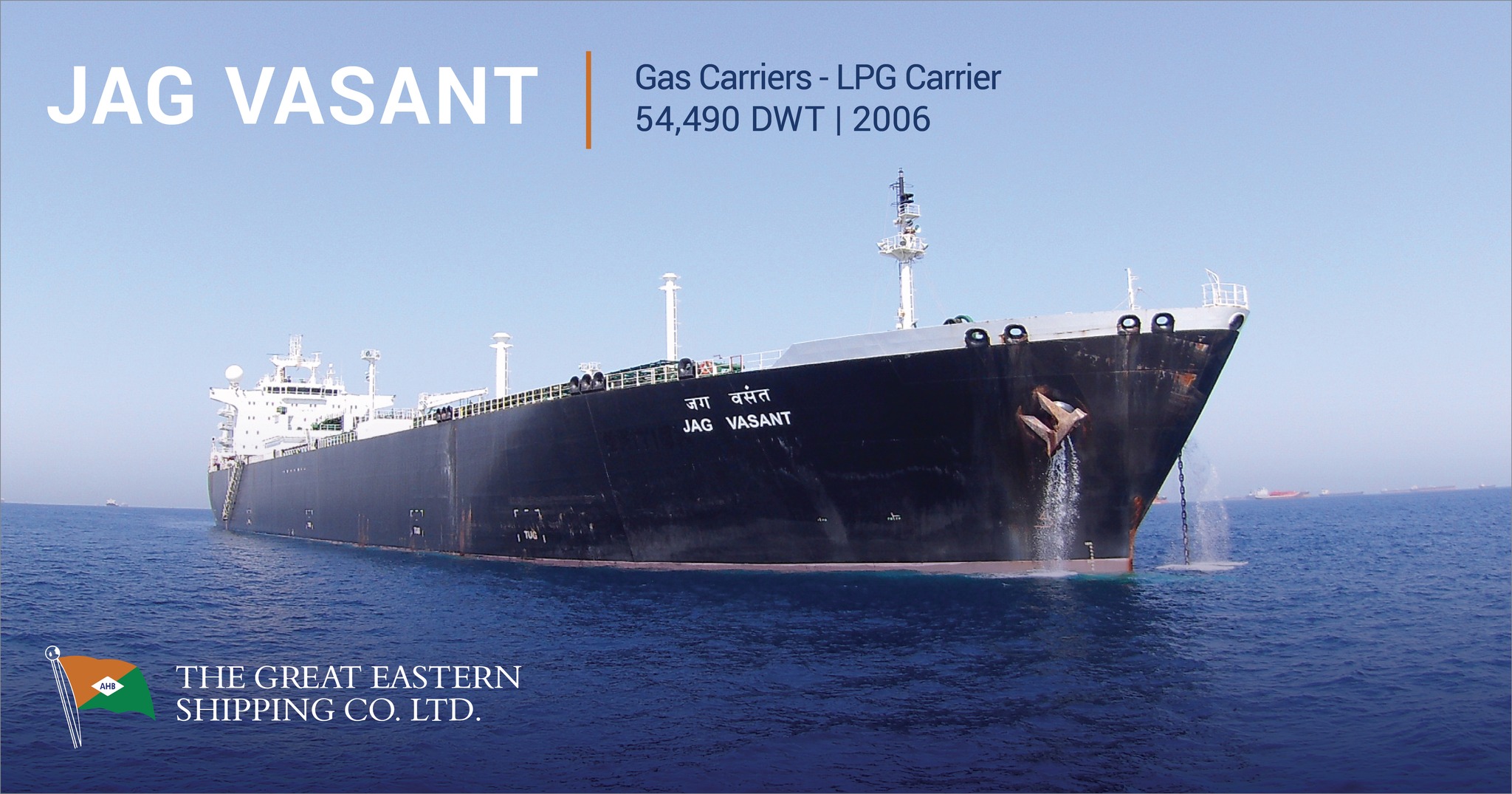
Indian gas tankers getting ready to sail through Hormuz, data shows
Reuters · 21 Mar 2026
Trump considers “winding down” Iran war without opening Hormuz Strait
Axios · 21 Mar 2026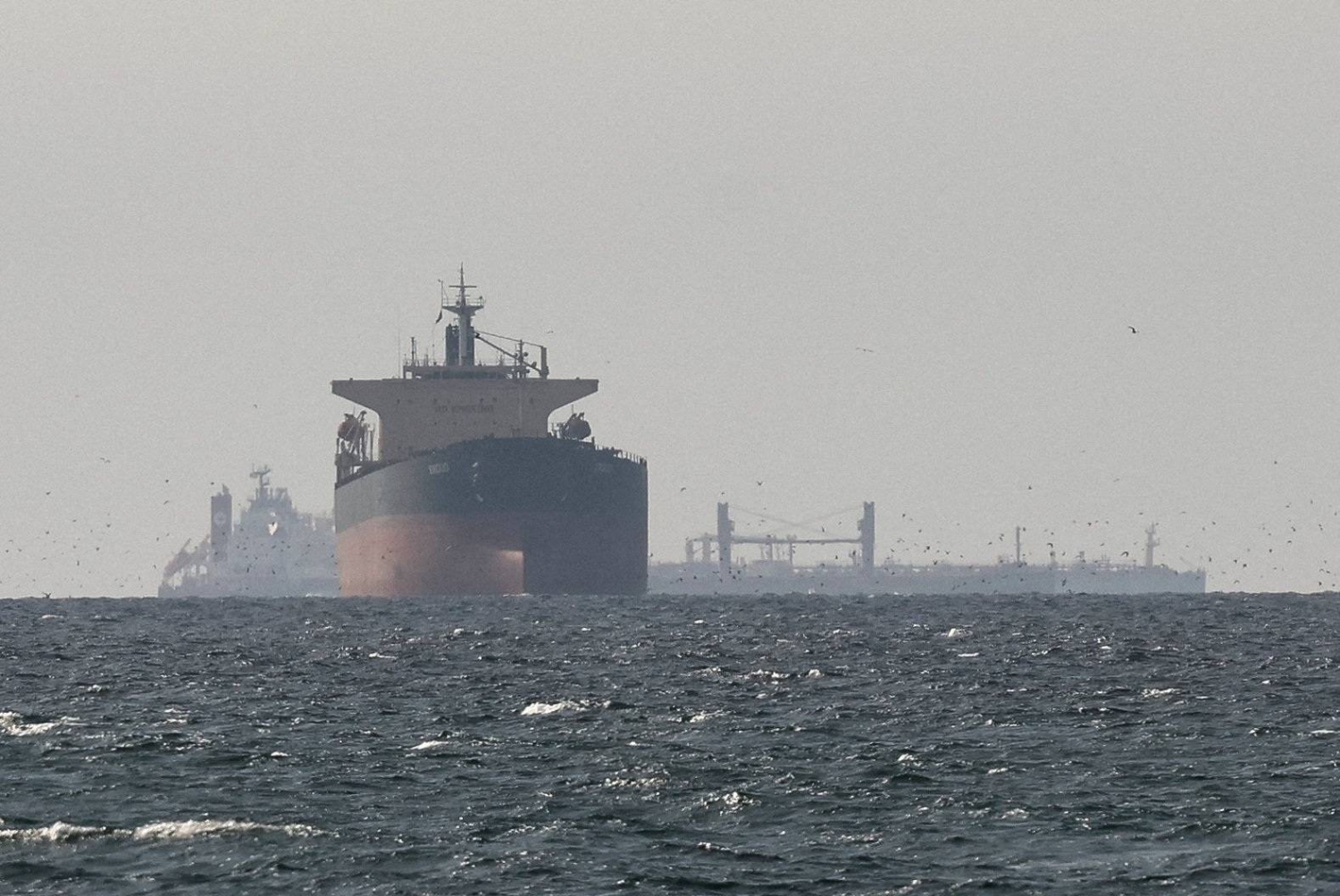
Iran prepared to let Japanese ships transit Hormuz, FM says
The Japan Times · 21 Mar 2026
US launches offensive to reopen Strait of Hormuz
The Telegraph · 20 Mar 2026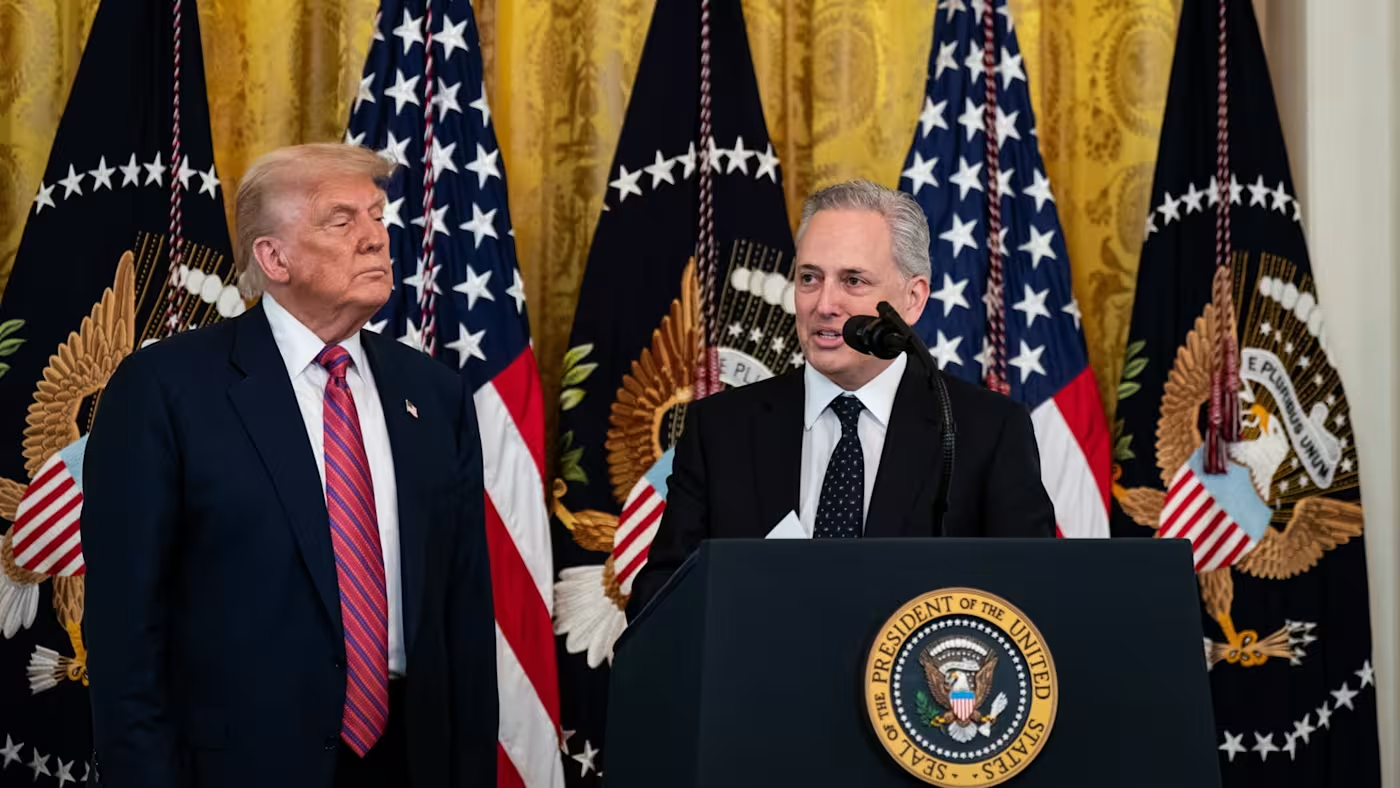
Trump mulls Kharg Island takeover to force Iran to open Hormuz Strait, Axios reports
Reuters · 20 Mar 2026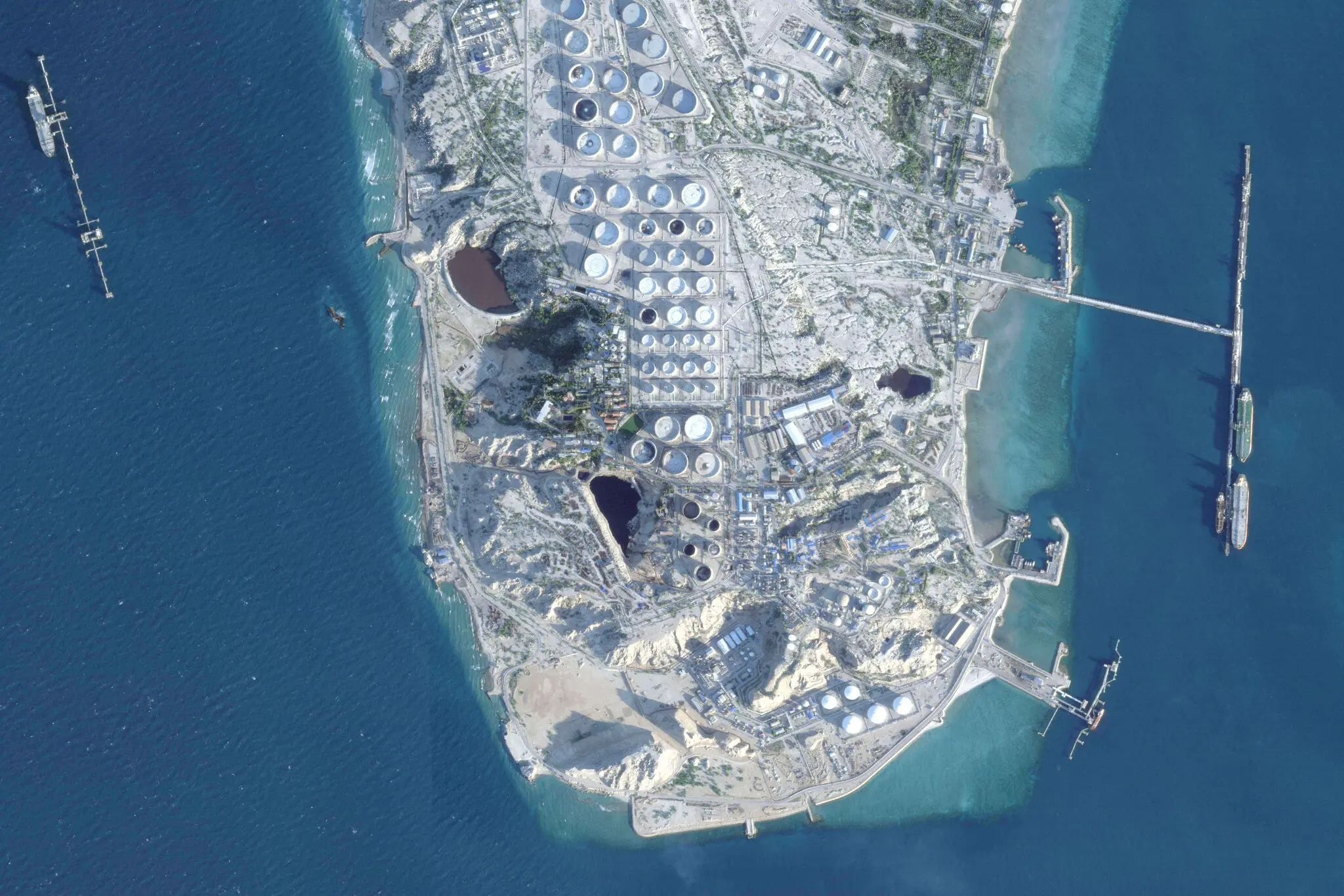
Iran developing a ‘vetting system’ for Strait of Hormuz transit: Report
Al Jazeera · 20 Mar 2026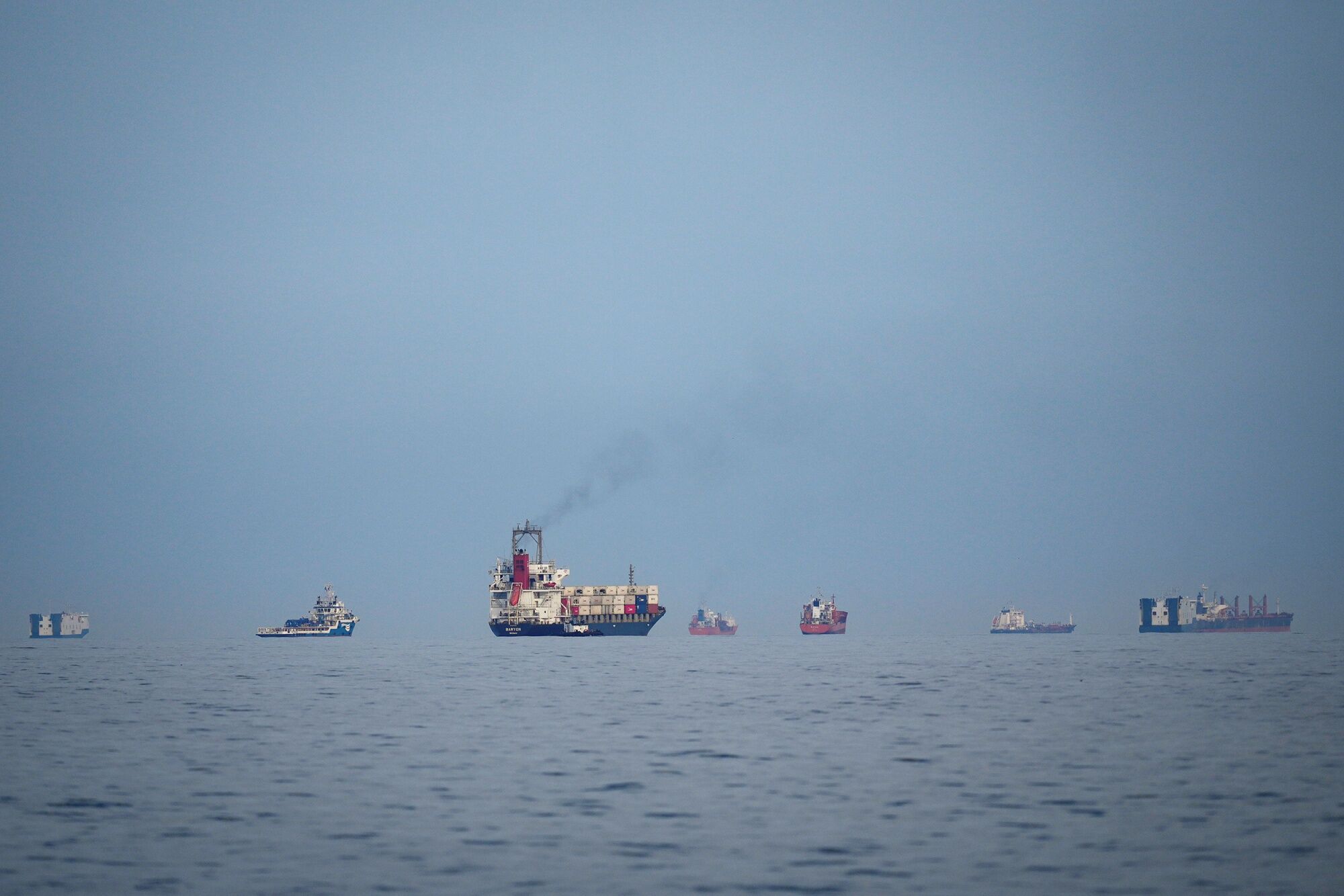
How Iran defied Trump threats to emerge as Strait of Hormuz gatekeeper
Al Jazeera · 19 Mar 2026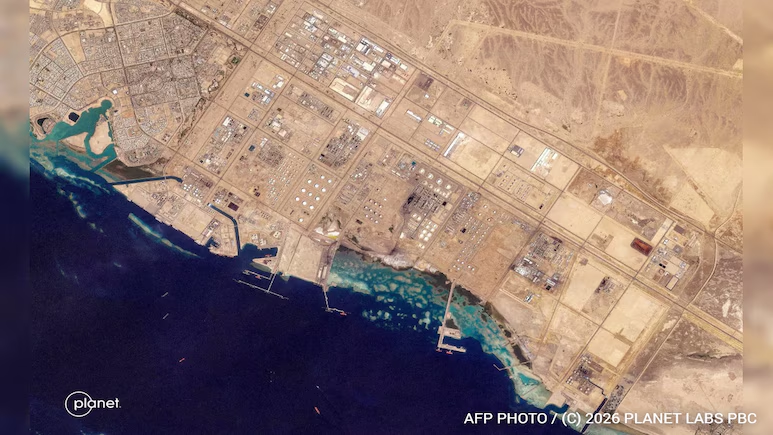
With Hormuz shut, Saudi's Yanbu is Gulf's only oil hope. It's being attacked
NDTV · 19 Mar 2026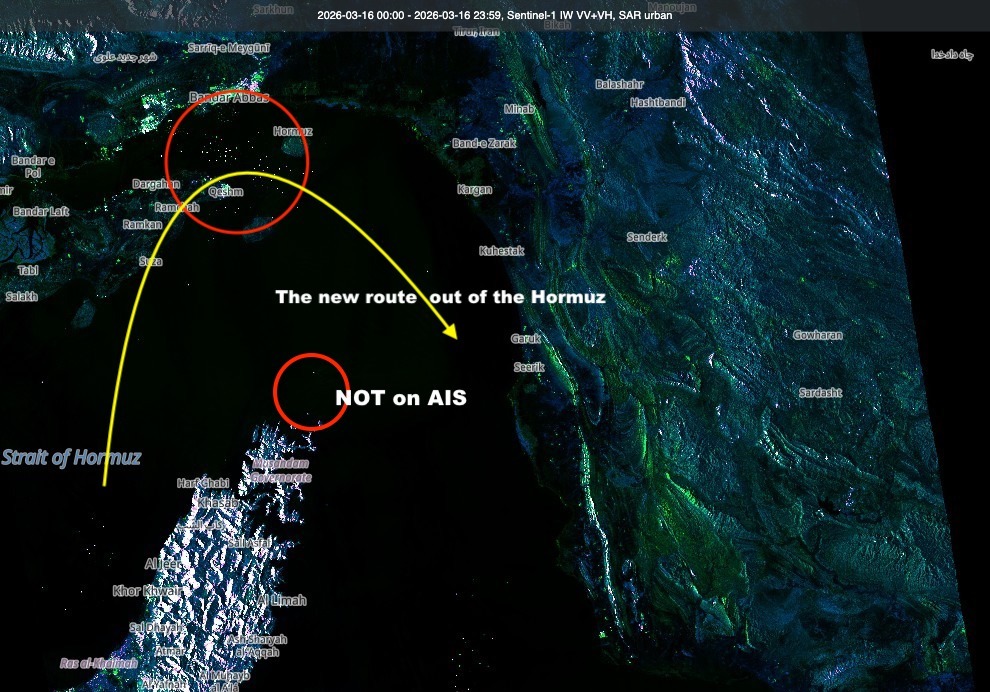
How countries are cutting deals with Iran to move oil through the Strait of Hormuz – and undermine Trump
The Independent · 19 Mar 2026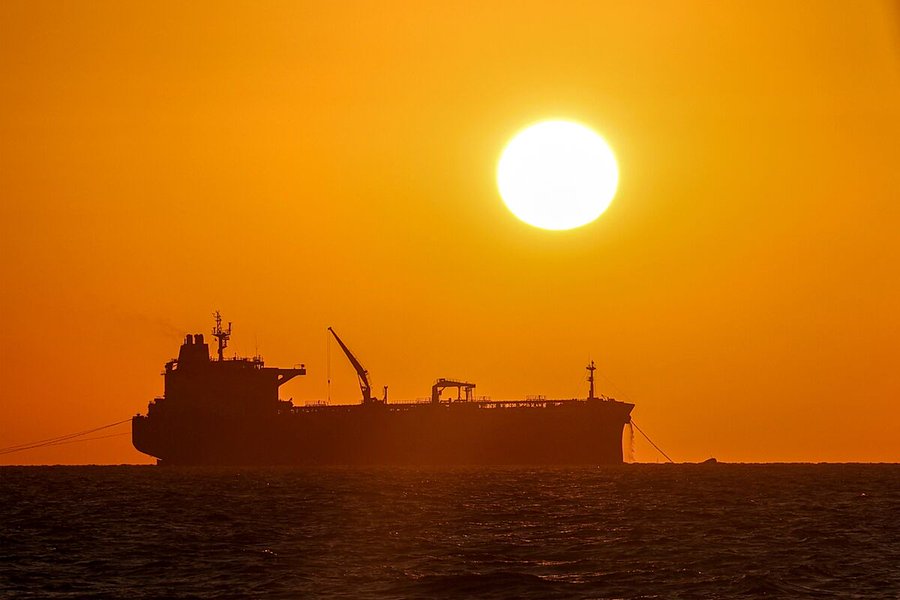
Hormuz Strait shows signs of life, 6 tankers pass through with AIS on
Update · 17 Mar 2026
European leaders rebuff Trump’s call to open the Strait of Hormuz
Washington Post · 17 Mar 2026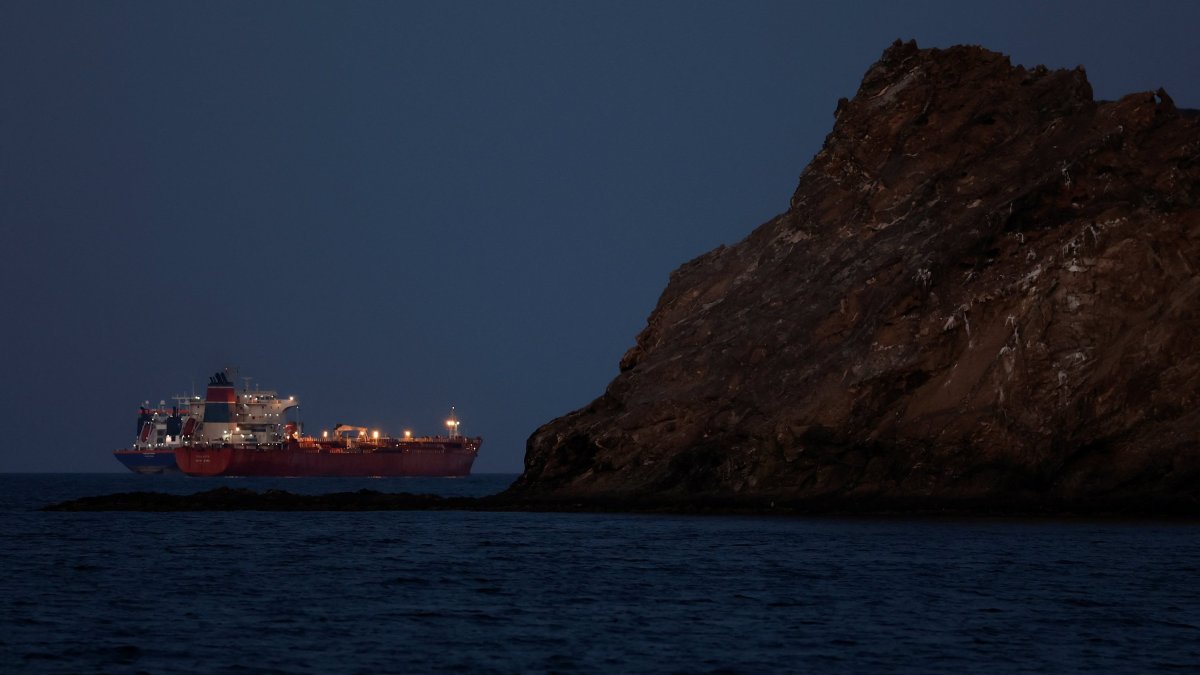
Hormuz escape route suggests ships are navigating on Iran’s terms
Insurance Journal · 17 Mar 2026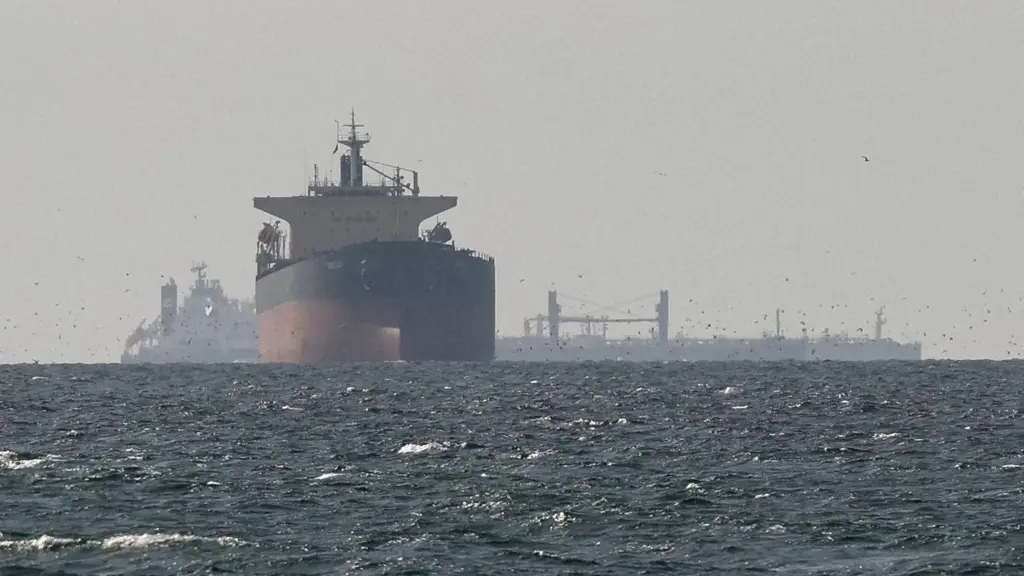
Trump warns Nato faces “very bad” future if allies do not help secure Strait of Hormuz
BBC · 16 Mar 2026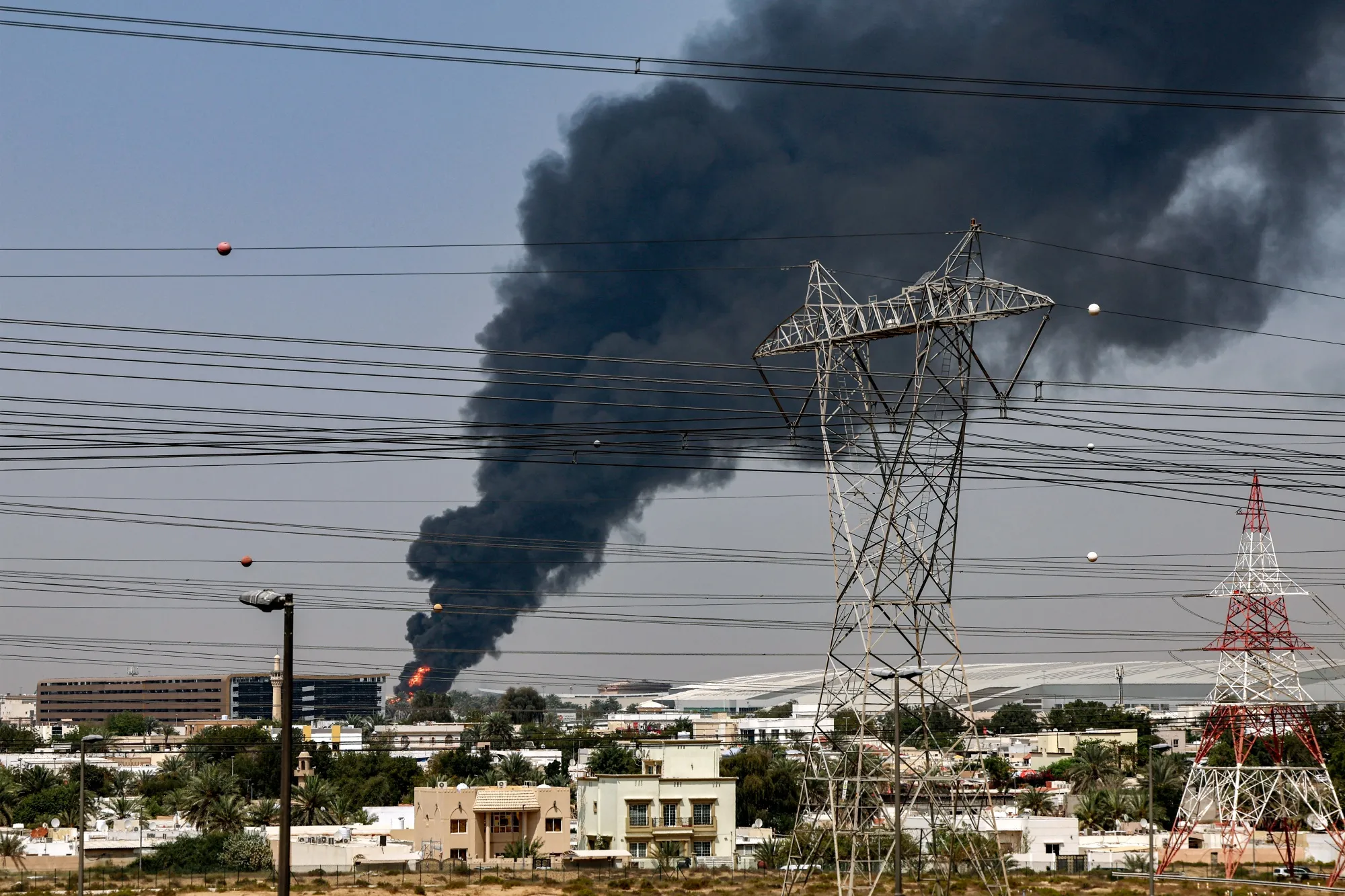
Iran Denies It Wants Truce as Dubai Airport and Oil Port Damaged
Bloomberg · 16 Mar 2026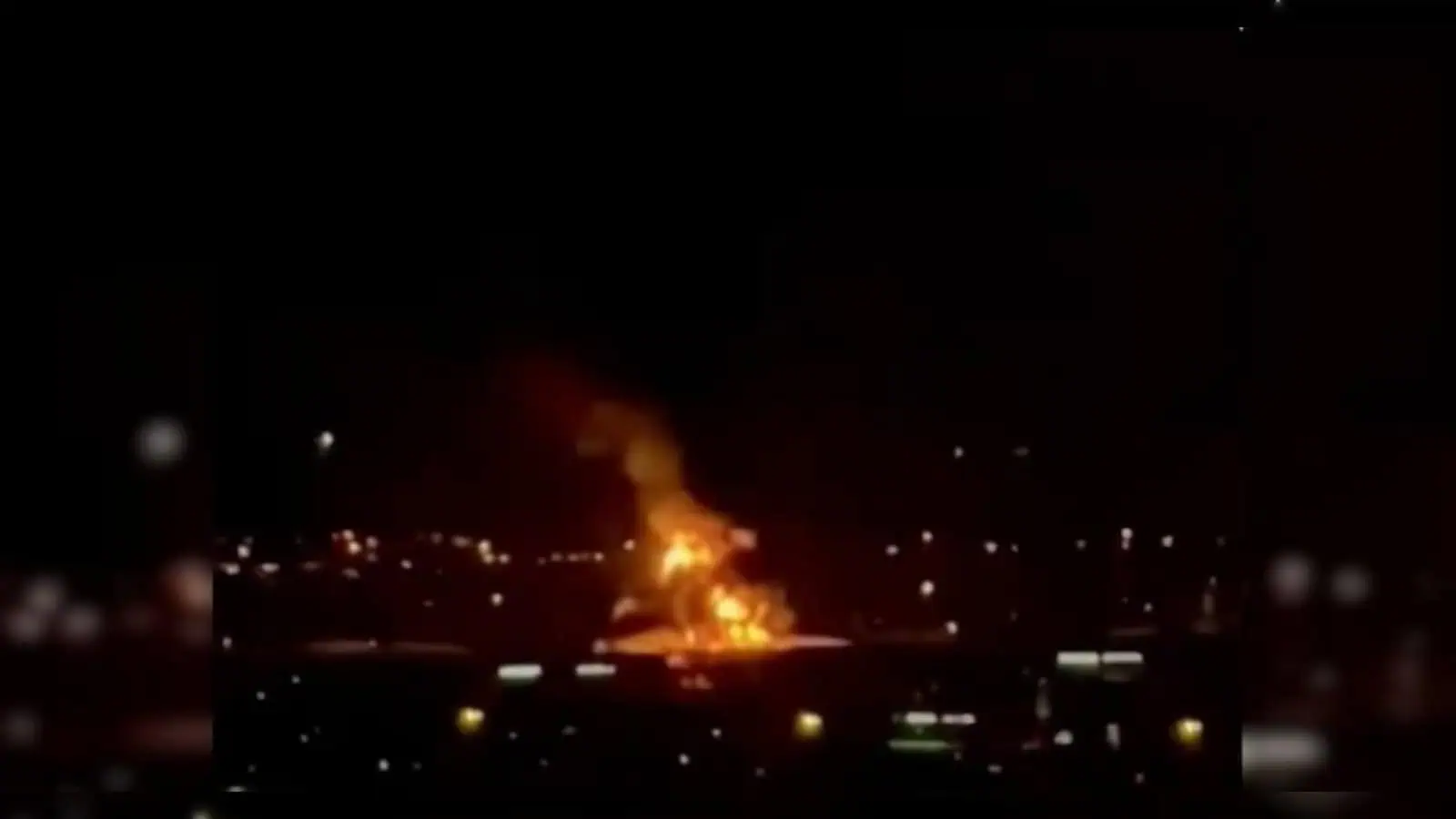
Dubai airport shuts after drone strike sparks massive fire
The Siasat Daily · 16 Mar 2026
Iran War Live Updates: U.S. Military Attacks Iran’s Oil Export Hub, Trump Says
The New York Times · 14 Mar 2026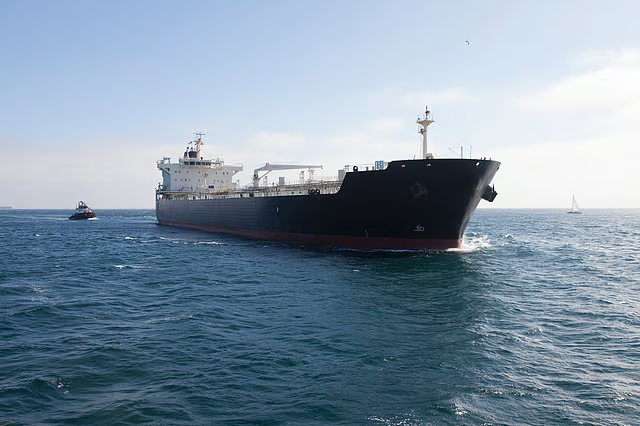
Iran signals relief for Indian vessels as Trump warns over Hormuz passage
Fortune India · 14 Mar 2026
US-Iran War | Reports: France, Italy Seek Deal With Iran For Safety of Ships
WION · 14 Mar 2026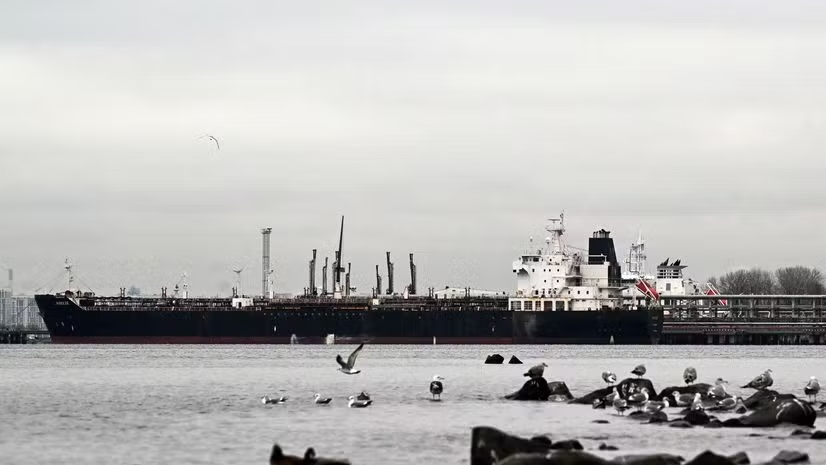
US Waiver Frees Up 19 Million Barrels of Russia Oil for Purchase
Bloomberg · 13 Mar 2026
Gulf Oil, in numbers for India: Strait of Fire—Hormuz war pushes crude prices past $100
Forbes India · 13 Mar 2026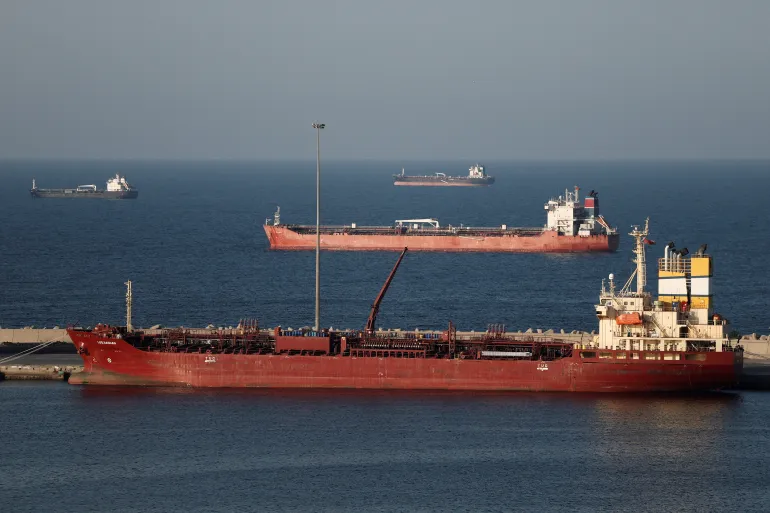
Oil stays above $100 a barrel amid Iran’s stranglehold on Strait of Hormuz
Al Jazeera · 13 Mar 2026
Indian ships not allowed to pass Strait of Hormuz: Report
Türkiye Today · 12 Mar 2026
Oil climbs as Iran steps up attacks on Gulf shipping
Reuters · 12 Mar 2026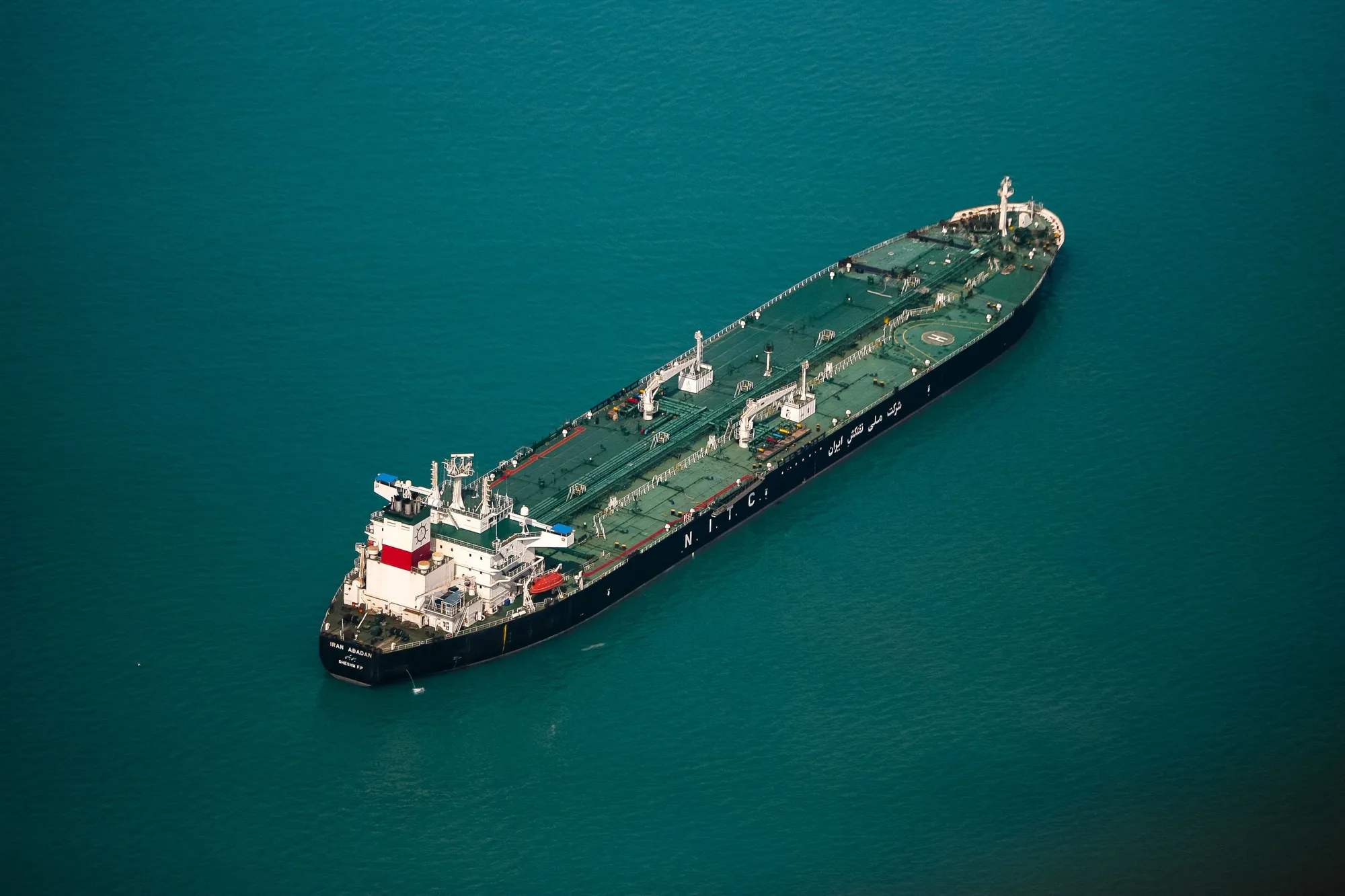
Six vessels attacked in Gulf, Strait of Hormuz as war puts merchant ships on front lines
Reuters · 11 Mar 2026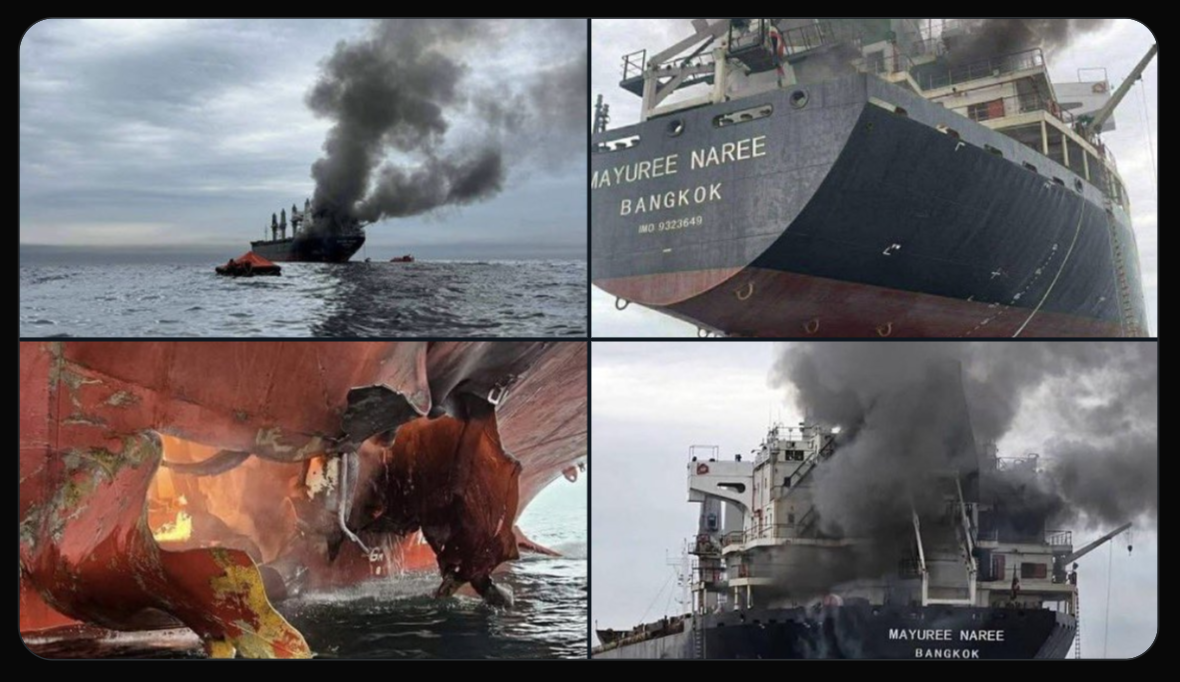
Not ‘a litre of oil’ to pass Strait of Hormuz, expect $200 price tag: Iran
Al Jazeera · 11 Mar 2026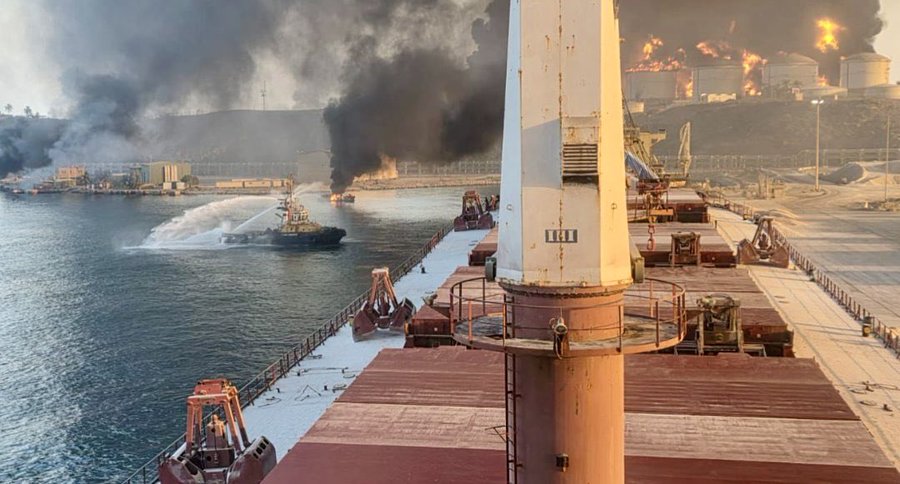
Fuel tanks in Oman's port of Salalah hit by drones
BBC · 11 Mar 2026
US Navy ‘Defies’ Trump, Refuses Shipping Industry Requests For Hormuz Escorts Citing Iran Threat
Times of India · 11 Mar 2026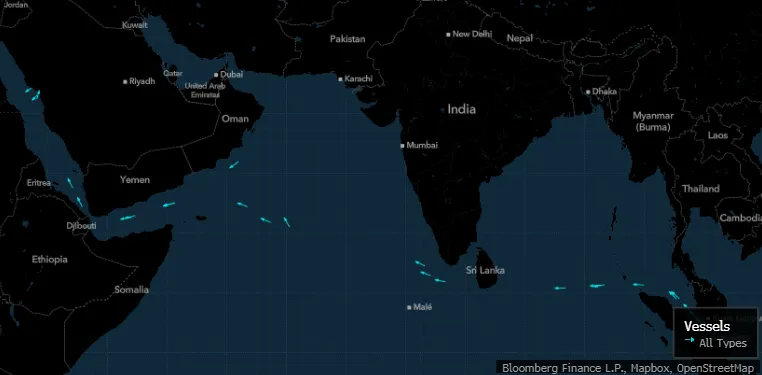
Oil Armada Heads to Red Sea as Saudis Divert From Hormuz
Bloomberg · 11 Mar 2026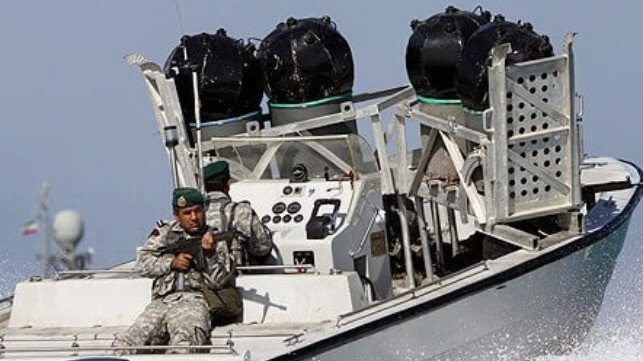
US says 16 Iranian mine-laying ships ‘eliminated’, as Iran launches attacks across region
BBC · 11 Mar 2026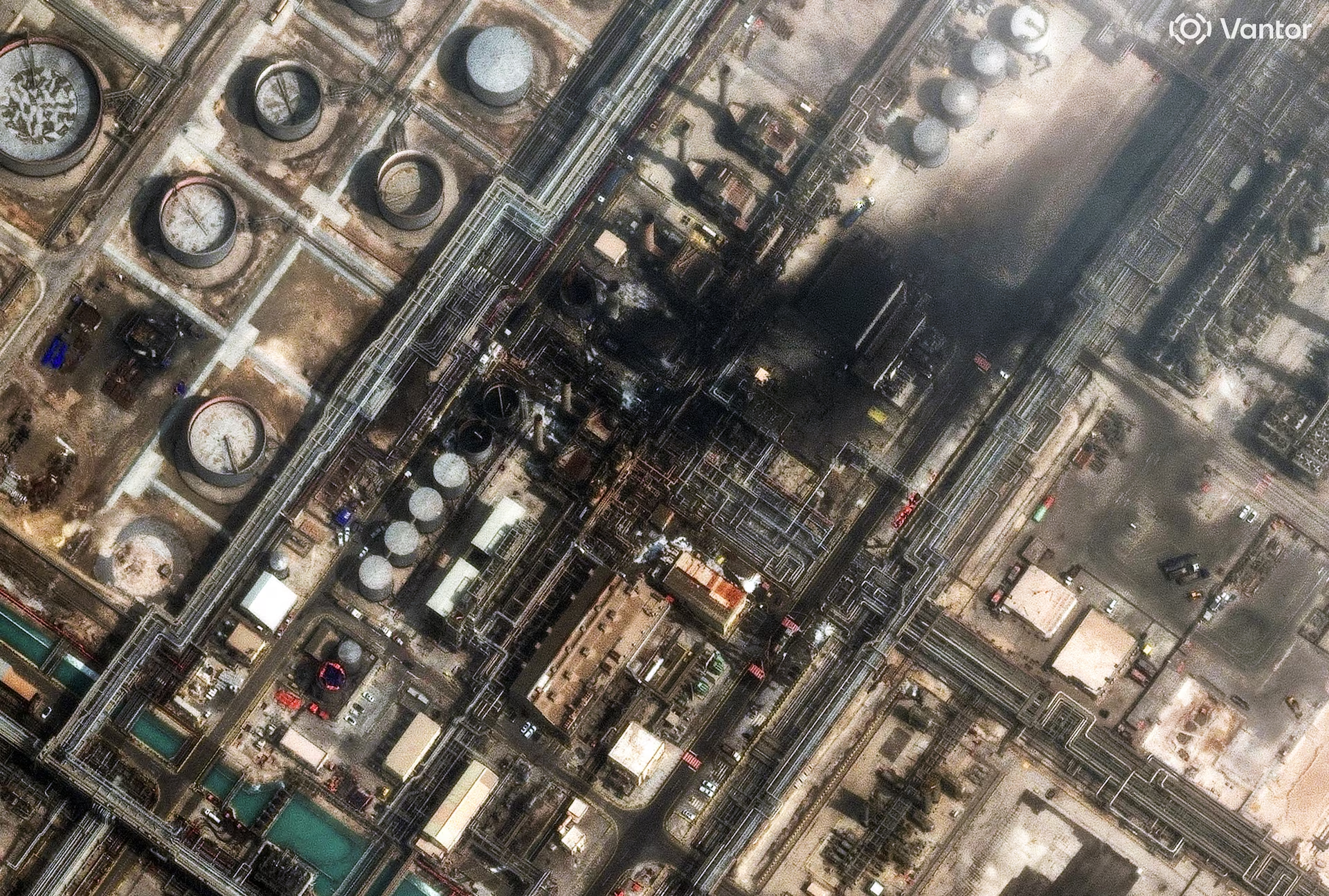
Aramco sees ‘catastrophic consequences’ for oil markets if Hormuz strait remains blocked
Reuters · 11 Mar 2026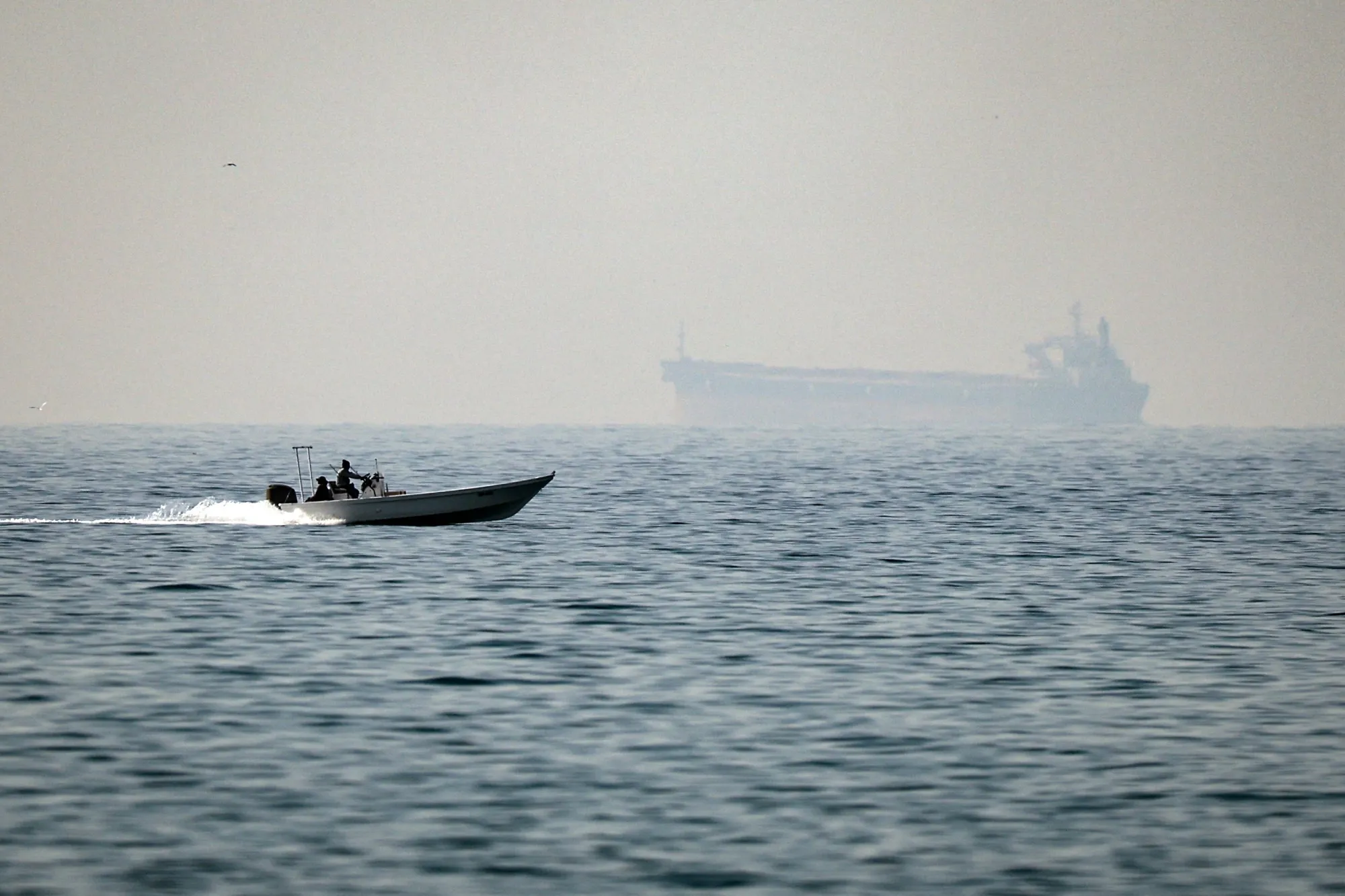
Iran begins laying mines in Strait of Hormuz, sources say
CNN · 11 Mar 2026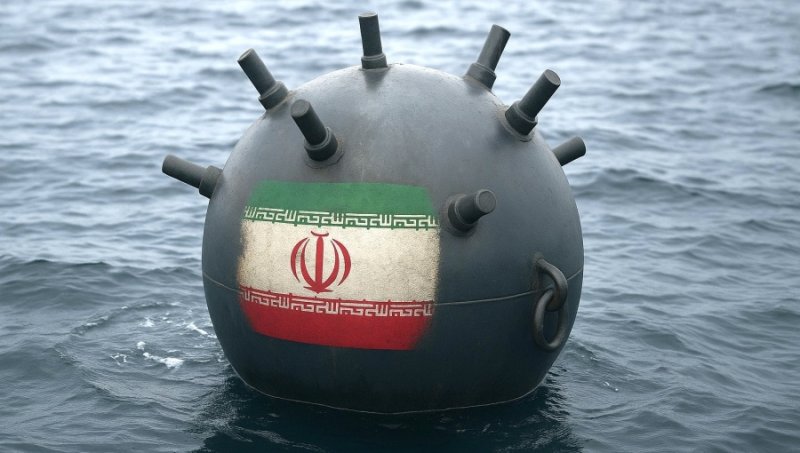
Trump warns Iran against mining the Strait of Hormuz
Bloomberg · 11 Mar 2026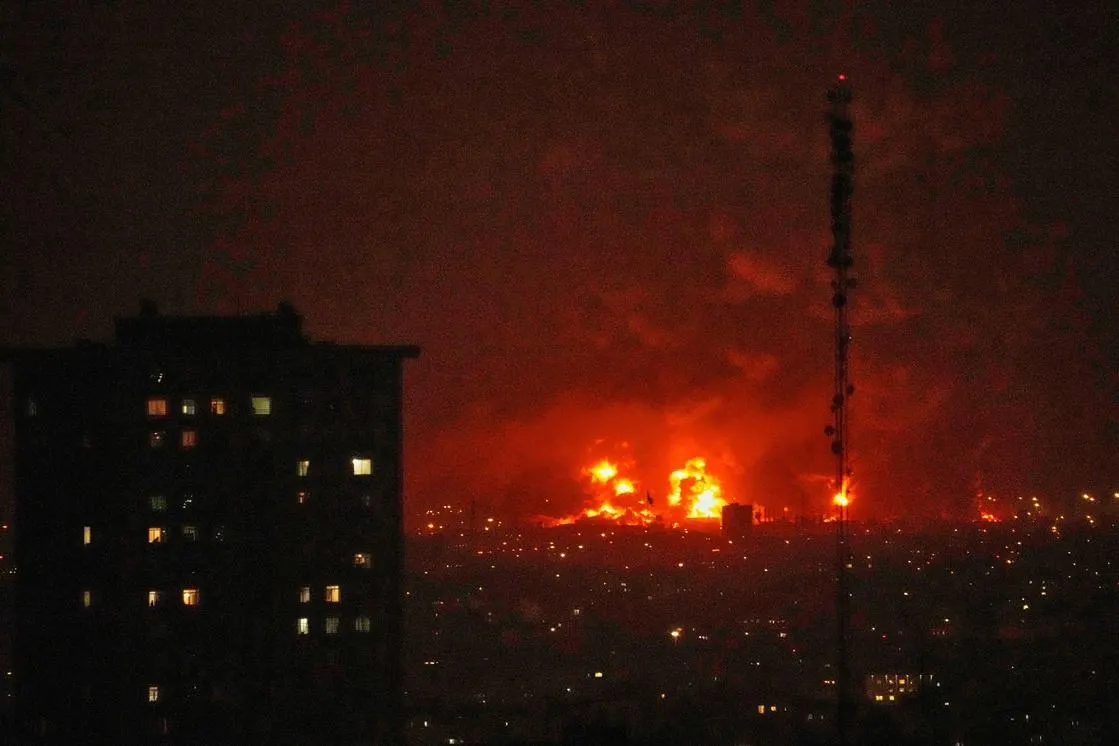
Iran’s real ‘nuclear option’ isn’t a bomb — it’s the Strait of Hormuz
Forbes · 11 Mar 2026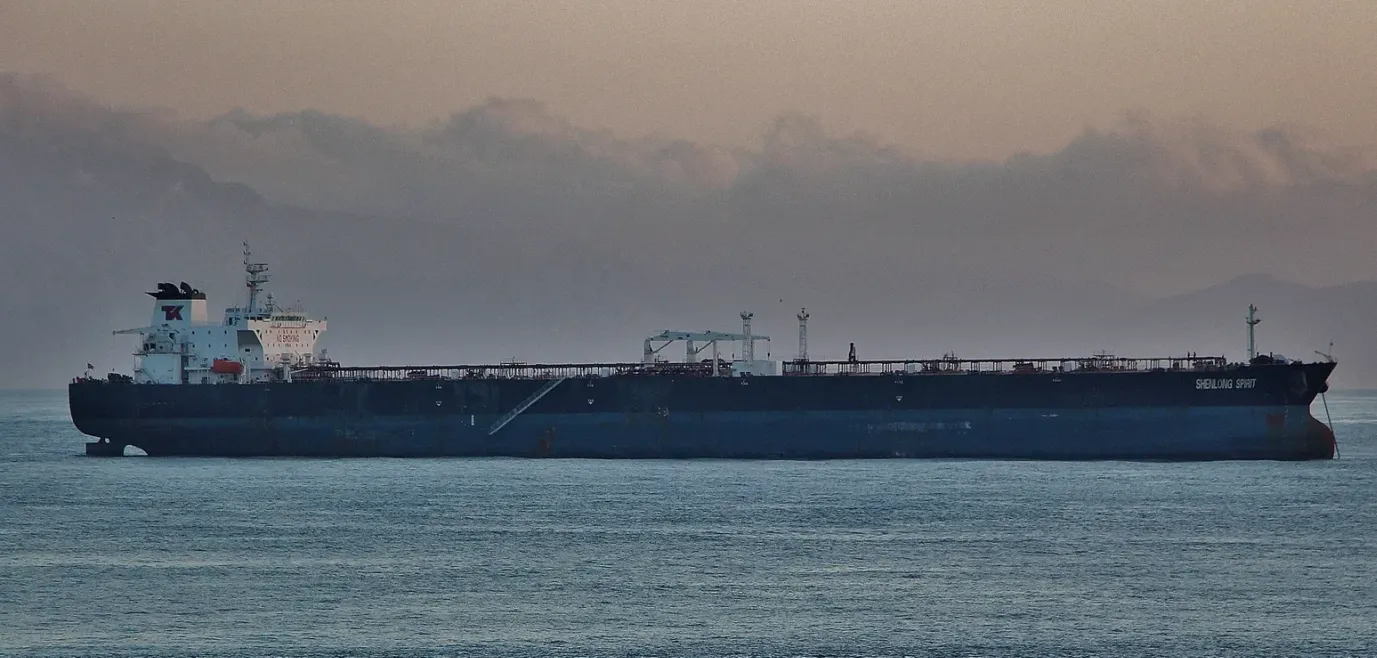
Greek Oil Tanker Exits Strait of Hormuz With Its Signal Off
Bloomberg · 10 Mar 2026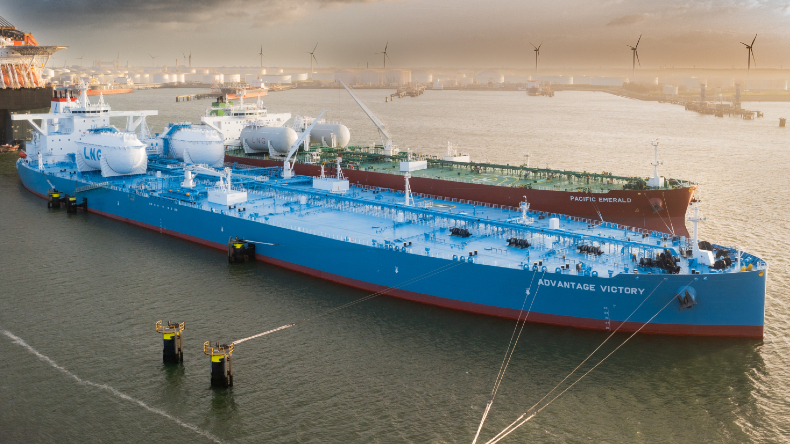
Shadow fleet dominates Hormuz crossings as Iran ramps up bypass loadings
Lloyd’s List · 10 Mar 2026
Trump threatens to take over Strait of Hormuz if Iran tries “anything cute”
NDTV · 10 Mar 2026
Oil Prices Surge: US Oil Skyrockets 20% to $111 as Iran War Chokes Hormuz
The Sunday Guardian · 9 Mar 2026
Iran’s New Supreme Leader Opens Tenure With Missile Attacks Across Region
OilPrice.com · 9 Mar 2026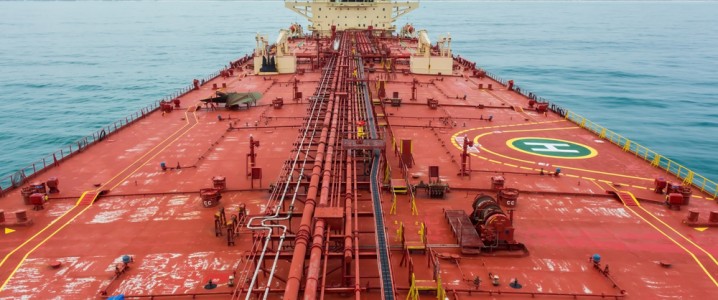
Saudi Arabia offers rare spot crude as Strait of Hormuz traffic collapses
OilPrice.com · 9 Mar 2026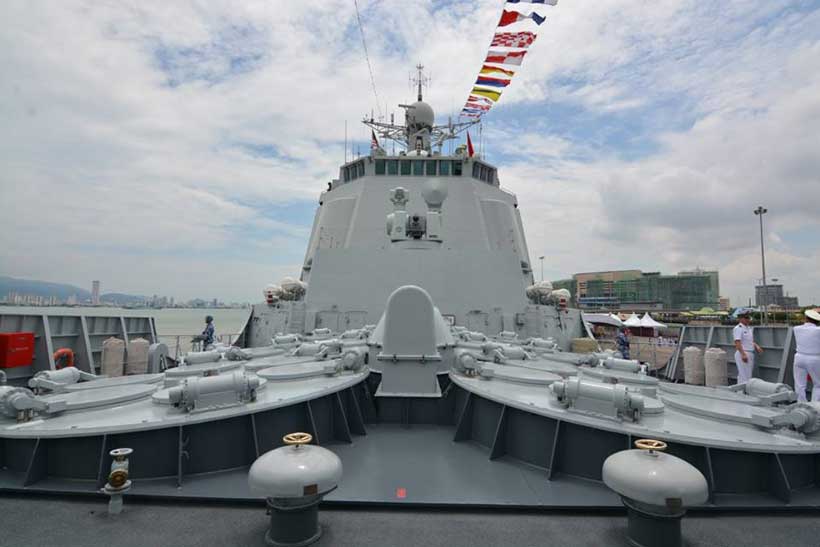
China bolsters naval presence in Strait of Hormuz amid US pressure on Iran and Venezuela
Modern Diplomacy · 8 Mar 2026
The Long-Feared Persian Gulf Oil Squeeze Is Upon Us
The Wall Street Journal · 8 Mar 2026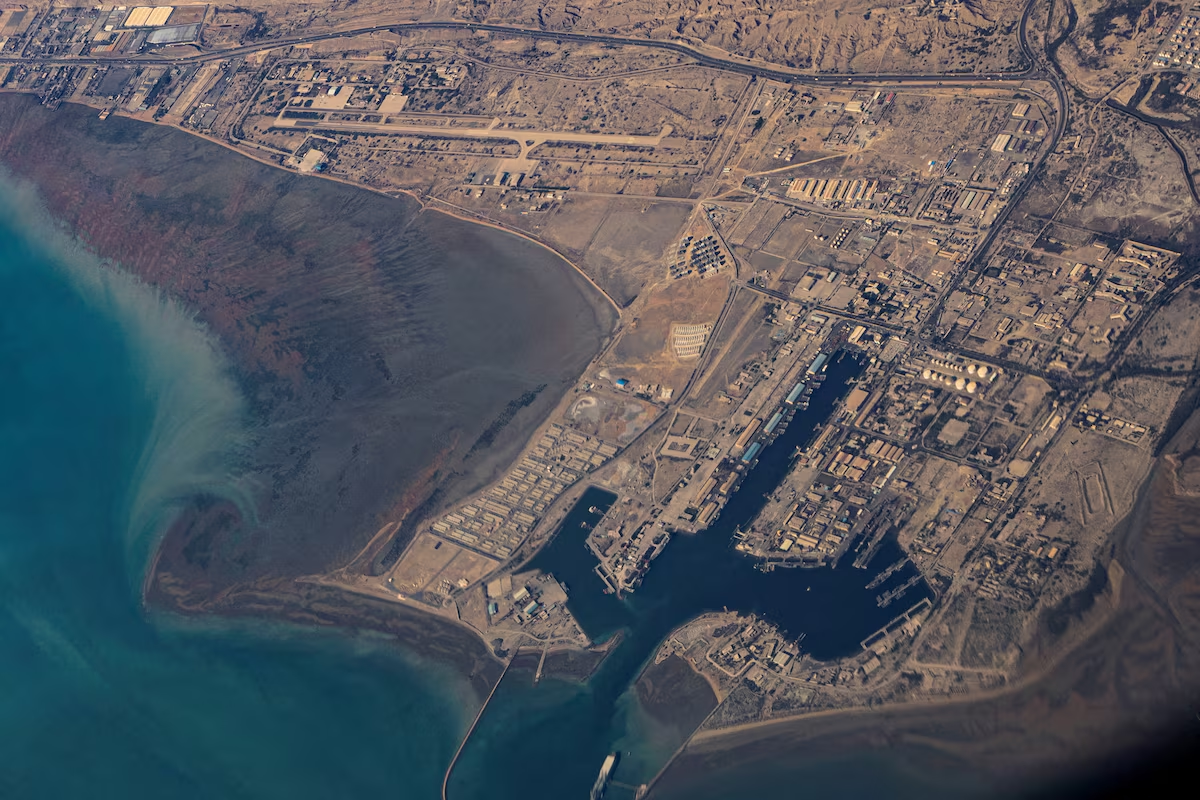
Iraqi oil production collapses with Strait of Hormuz blocked by conflict, sources say
Reuters · 8 Mar 2026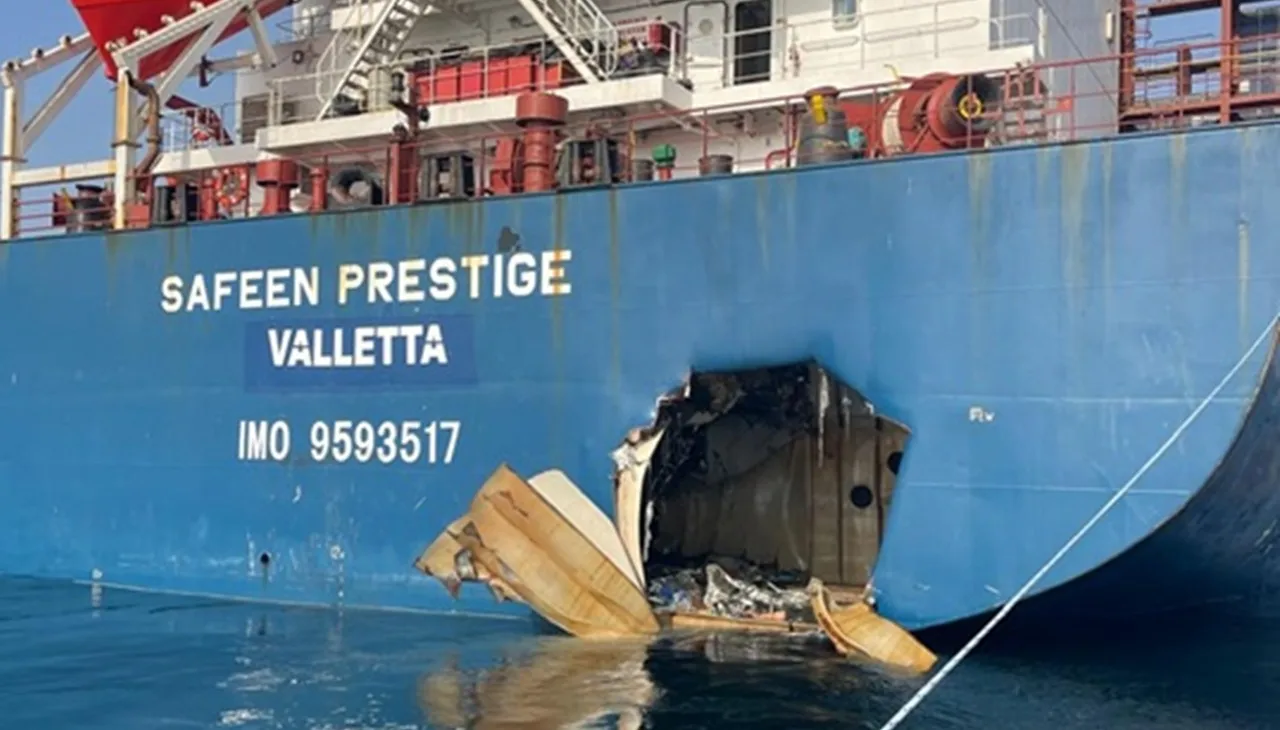
India says it will continue buying Russian oil as before, rejects need for U.S. permission
The Moscow Times · 7 Mar 2026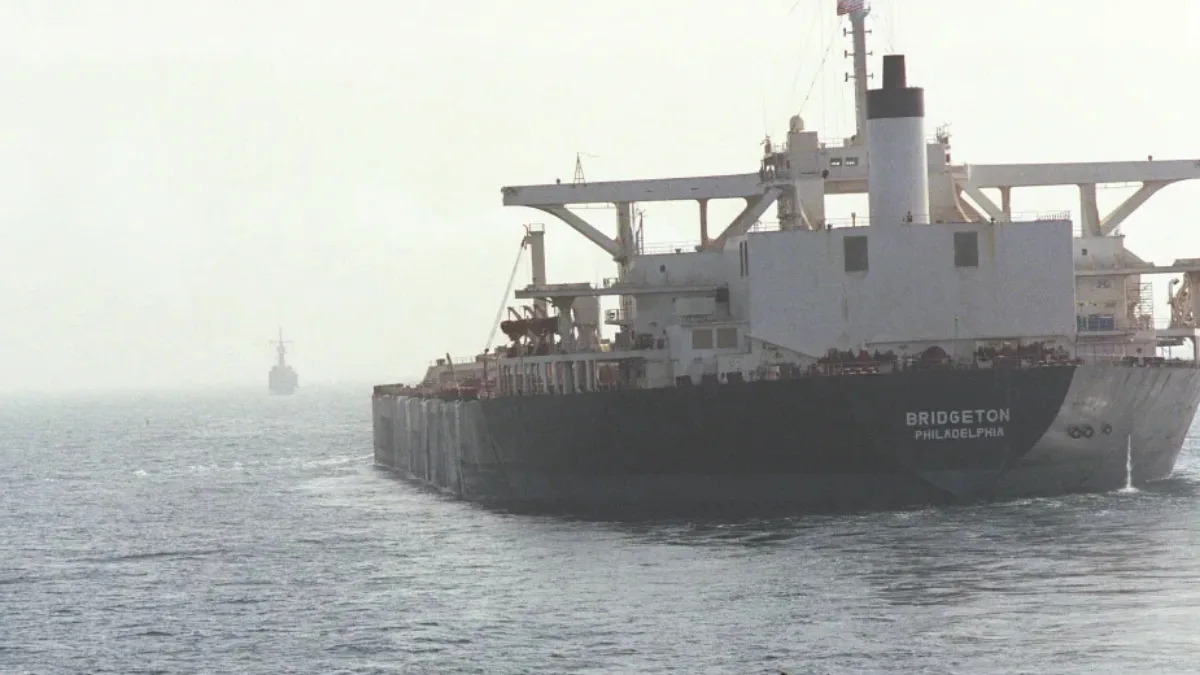
Iran threatens US: “Before escorting ships through Hormuz, remember 1987 Bridgeton”
The Statesman · 7 Mar 2026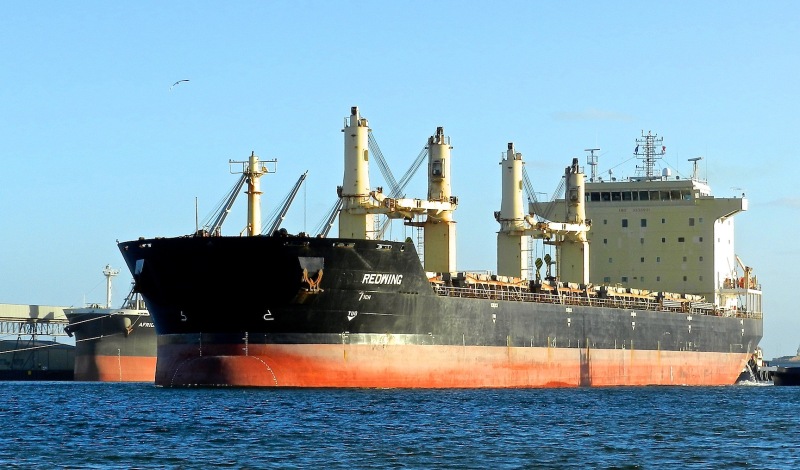
Second bulk carrier claiming to be Chinese passes through Hormuz
Bloomberg · 7 Mar 2026
Strait of Hormuz closed only to US, Israel & Europe: India’s 40% crude imports unaffected
Outlook India · 6 Mar 2026
War insurance available for ships crossing Hormuz, LMA says
Bloomberg · 5 Mar 2026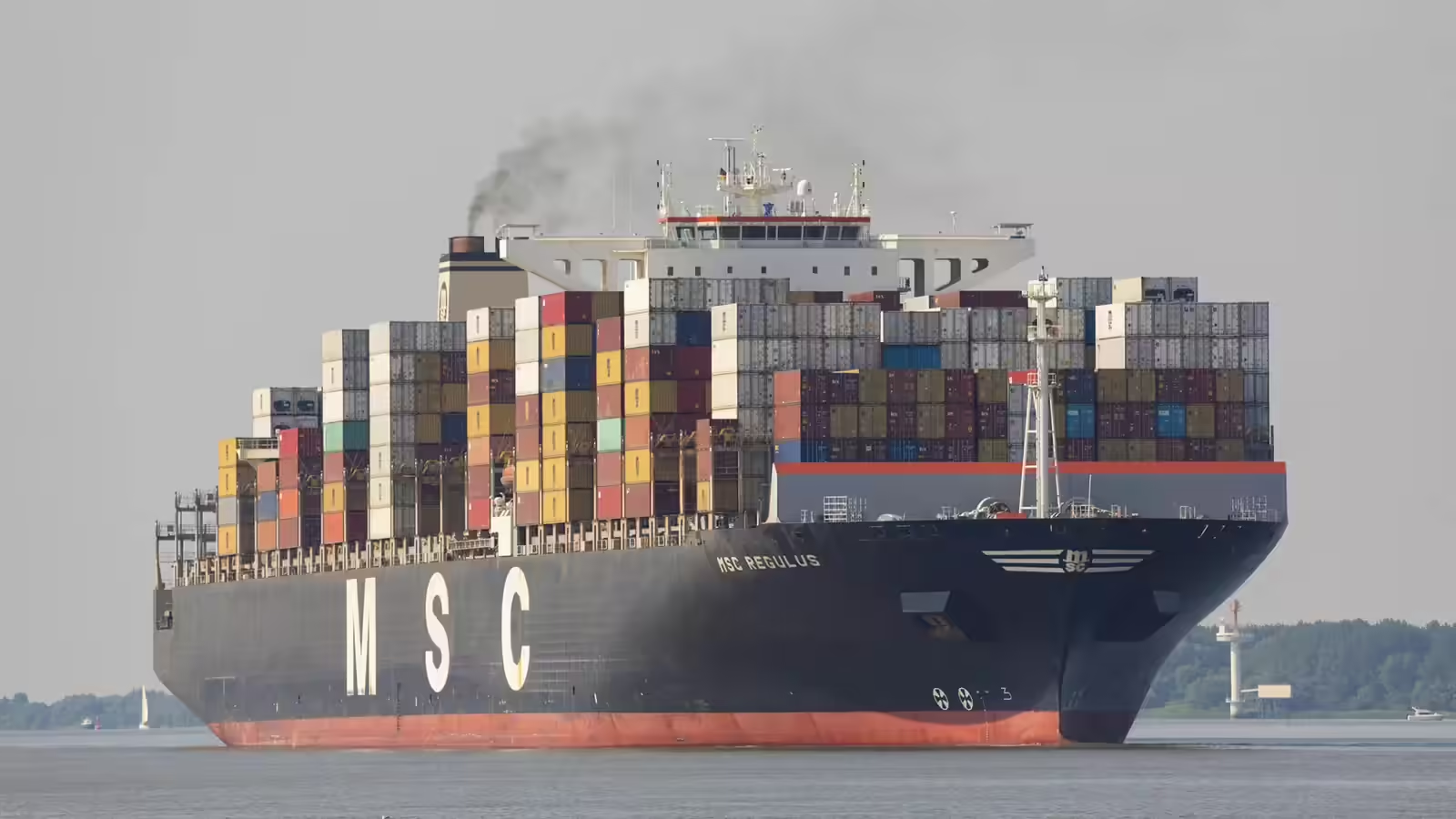
MSC shipments to Gulf ports diverted towards nearest safe seaport
Economic Times · 5 Mar 2026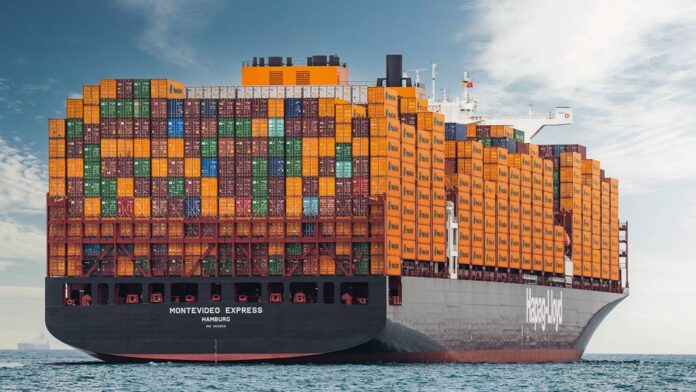
Over 270,000 TEU stranded as container carriers halt Gulf cargo bookings
gCaptain · 5 Mar 2026
Chinese shipping giant COSCO suspends Gulf services amid Strait of Hormuz restrictions
NDTV Profit · 5 Mar 2026
Strait of Hormuz disruption: which container vessels are trapped, waiting, or diverting?
Kpler · 5 Mar 2026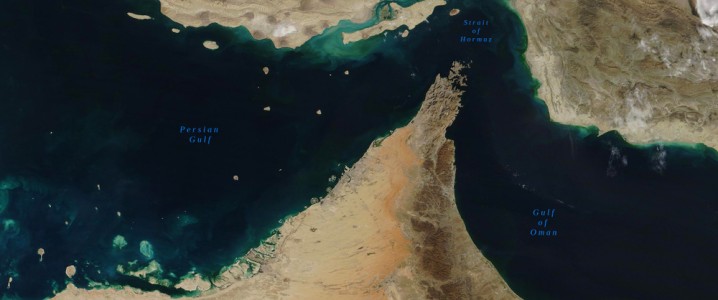
Iran claims it has complete control over the Strait of Hormuz
OilPrice.com · 4 Mar 2026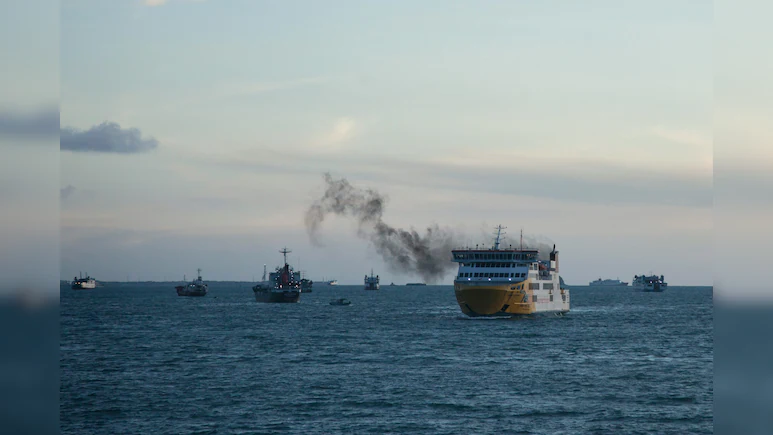
Trump’s Hormuz assurances would be a partial fix, shippers say
Bloomberg · 4 Mar 2026
IRGC says Iran in complete control of Strait of Hormuz amid Trump threats
Al Jazeera · 4 Mar 2026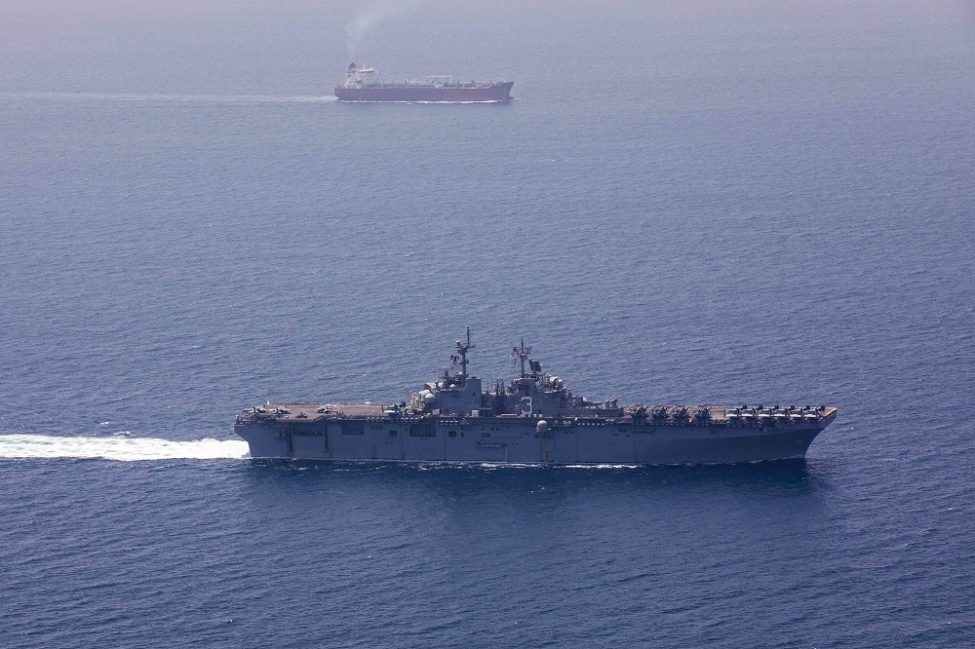
Hormuz shutdown worsens after US hits Iranian warship; tankers stranded for fifth day
Reuters · 4 Mar 2026
Hormuz shutdown could force Iraq, Kuwait to curb oil output within days, JPMorgan says
Reuters · 4 Mar 2026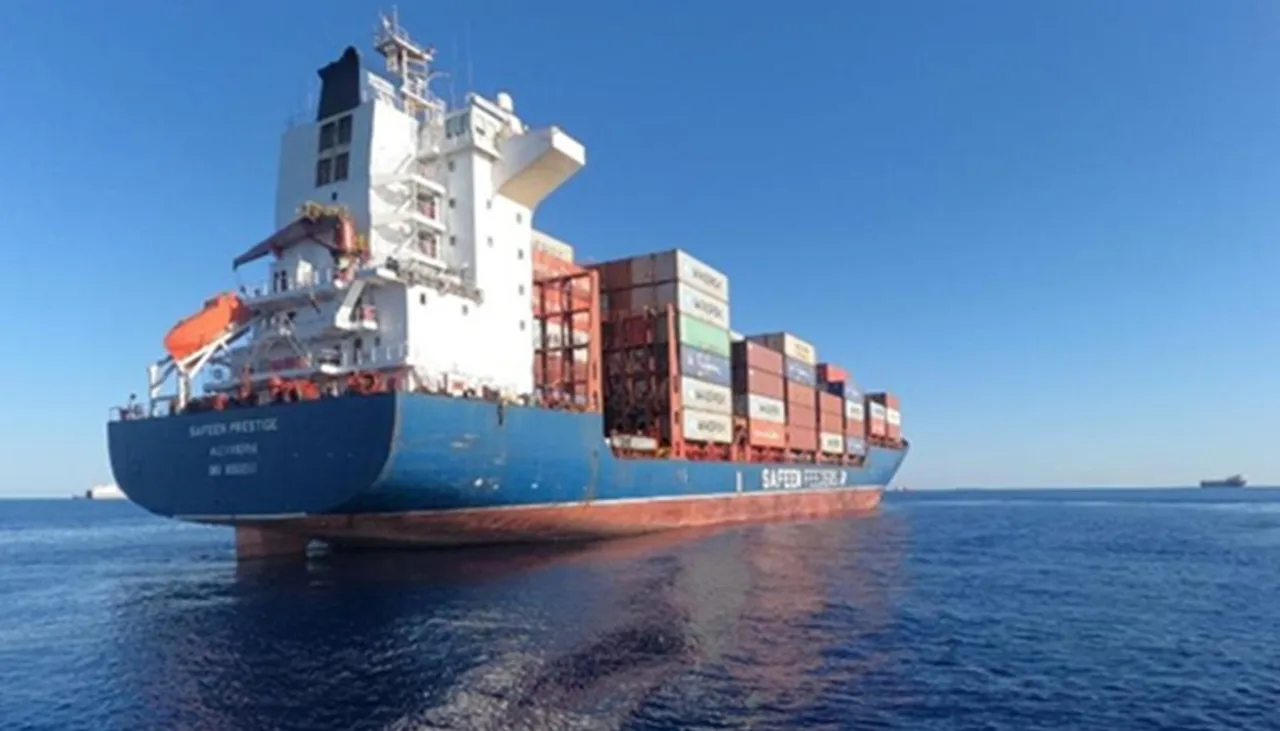
Container ship hit in Strait of Hormuz; nearly 150 vessels trapped
Seatrade Maritime News · 3 Mar 2026
Around 200 compliant tankers stranded as Strait of Hormuz closure freezes Gulf traffic
Lloyd’s List · 2 Mar 2026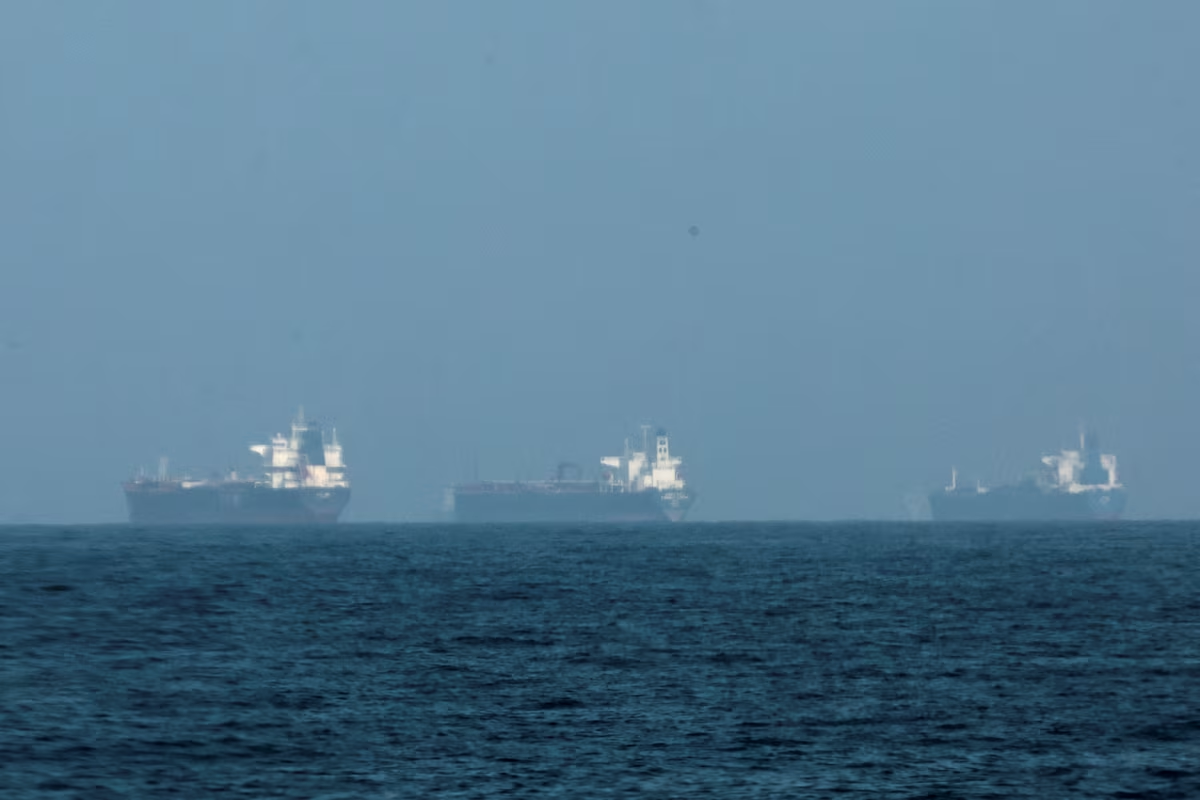
Russia prepared to divert oil to India as Middle East conflict disrupts flows, sources say
Reuters · 2 Mar 2026
Strait of Hormuz: How Iran conflict is disrupting oil and gas shipping
Bloomberg · 2 Mar 2026DeepBlue Publications
Key Gulf Ports & Current Status
Jebel Ali Port (Dubai, UAE)
Fully OperationalLargest port in the Middle East and a premier global hub.
Khalifa Port (Abu Dhabi, UAE)
Fully OperationalFirst semi-automated port in the region, focused on industrial expansion.
Port of Fujairah (UAE)
ClosedWorld’s second-largest bunkering hub, outside the Strait of Hormuz.
King Abdulaziz Port (Dammam, Saudi Arabia)
OperationalKey entry point for regional trade on the Gulf coast.
Hamad Port (Qatar)
OperationalSupports national import and export continuity.
Port of Salalah (Oman)
ClosedMajor transshipment hub on the Arabian Sea.
Sohar Port (Oman)
OperationalStrategic relief valve for Gulf routing disruptions.
Bandar Abbas (Iran)
ActiveCentral to Iran’s maritime trade flows.
Port operational status/traffic:
- Bahrain: All port operations (including KBSP) remain temporarily suspended; pilotage services are halted.
- Historical Avg Daily Transit: ~150 vessels in all, 60 tankers/cargo per 24-hour period. Current AIS data indicates 1-2 vessels/day (99% reduction).
- 16 Mar: Sat-AIS data suggests vessels exiting the Strait are routing north of Larak Island with transponders on. So far, 18 vessels have transited between Qeshm and Larak while hugging Iranian coastal waters.
- 19 Mar: Yanbu port in Saudi Arabia shut down terminal operations after overnight Iranian missile strikes.
Port & anchorage congestion risk
Increased vessel clustering is expected near UAE coastal ports, Omani approaches, and SoH anchorages as operators delay discretionary transits pending further clarity. Elevated congestion may create secondary navigation risks including restricted maneuvering space, anchor dragging, and collision exposure.
Enhanced bridge resource management and disciplined VHF/AIS reporting is advised. U.S. and Israeli-affiliated or flagged vessels are advised to minimize time spent pier-side or at anchor within high-risk zones to reduce targeting vulnerability. Maintaining movement and avoiding predictable patterns is critical for mitigating the risk of targeted strikes or collateral damage.
Deep-dive read
What Makes the Strait of Hormuz the World's Most Critical Energy Chokepoint?
Source: Discovery Alert · 4 Mar 2026How the Strait of Hormuz closure affects global oil supply
Source: Reuters · 12 Mar 2026Copyright DeepBlue 2026